
Manage Your Projects at Peak Performance
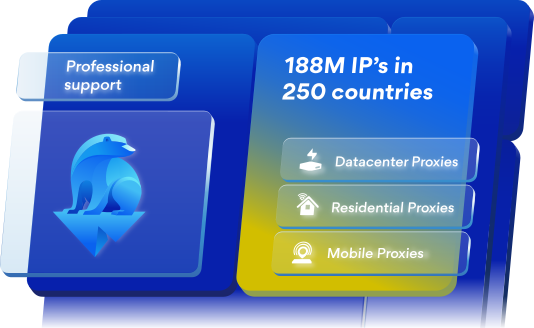
Scale Your Business with ProxyWhite

24/7 Support
Unlimited Data
Dashboard
Advanced Geo-Targeting
Dedicated Account Manager
Dedicated IP Addresses
Proxies for Any Use Case
Proxies in 200+ Countries for Any Use Case
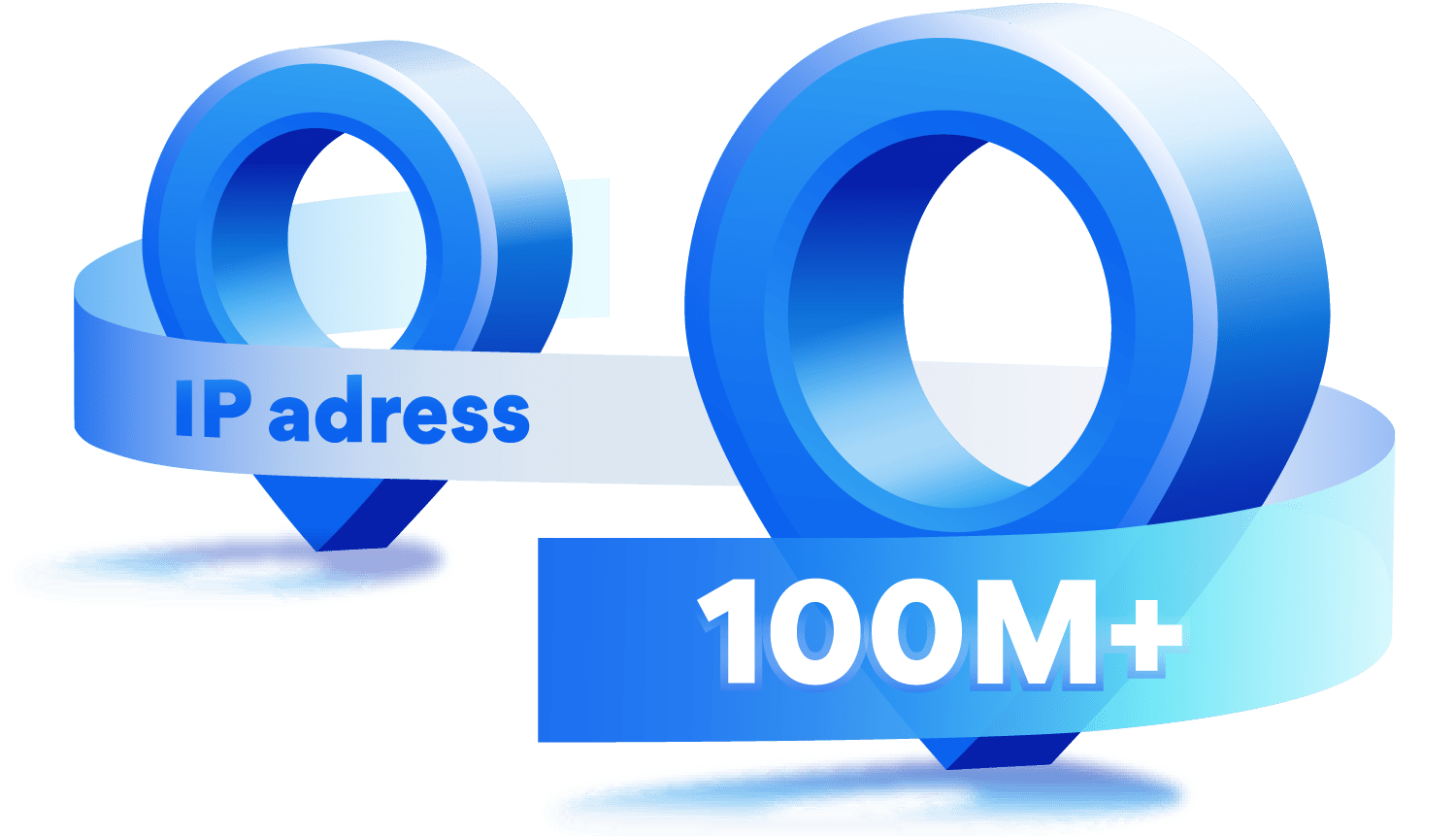
127 million IP addresses across 200+ countries worldwide
Intuitive Self-Service Dashboard
- Quick Sign-Up
- Easy Plan Management
- Full Control Over Your Subscriptions
- Dedicated Account Manager for Bulk Customers

No Data Limits
- Unlimited Data
- Unlimited Concurrent Connections
- Get More from Every Task
Get Started with ProxyWhite Now
Global Coverage
Canada
1 118 549 IP addresses
Germany
1 398 105 IP addresses
Indonesia
12 641 IP addresses
India
37 950 148 IP addresses
Kazakhstan
27 325 IP addresses
Netherlands
614 319 IP addresses
Poland
916 351 IP addresses
Russia
27 982 867 IP addresses
Turkey
117 013 IP addresses
Ukraine
2 214 012 IP addresses
United States
14 089 591 IP addresses

More
84+ Countries
How Companies Use Our Proxy Service

Market Research

SEO Analytics

Competitor Analysis

Price Monitoring

Brand Protection

Social Media
Why Enterprises Choose Us as Their Proxy Provider
Frequently Asked Questions
A proxy is an intermediary between you and the internet—a trusted gateway that represents your device online. A proxy server adds an extra node to the data-transfer path, helping protect your device from theft of personal information and data about how you use websites, resources, and services. To secure your connection, you can buy a proxy and configure it on your device.
Proxy types are classified according to the characteristics used as the basis for classification. In general, there are three main types:
- HTTP proxies, which work only with web traffic. All browser traffic passes through these servers;
- SOCKS proxies, which operate at the application level. Their main drawback is that server load can affect data-transfer speed. Unlike HTTP proxies, they can handle all types of traffic;
- transparent proxies. They are largely invisible to users and are used to filter and cache traffic. You can buy private proxies and configure them for your needs to make your online activity more efficient and secure.
When a device connects to the internet, it uses its IP address to send a request to the server hosting a website or resource. This allows the destination server to identify where the request came from and exchange data with the device. A proxy acts as a representative server that hides the device’s IP address and replaces it with its own. It does not encrypt all traffic; instead, it works at the application level. This means it redirects only the traffic from the device or application configured to use that private proxy server.
To get started, select the appropriate section of our website or contact technical support using the links at the top and bottom of the page. To rent a proxy server, choose a suitable plan and complete the order through the checkout menu. You can also find contact details for our managers at the bottom of the page.
Review the terms carefully. If you need an affordable proxy, plans with fewer country options may be sufficient for protecting your data while browsing. Some websites restrict visitors from particular regions. Before buying an authenticated proxy, confirm that the proxy server’s country is permitted by the target website.
Private proxies provide a unique IP address that you can use for your own workflows. The address is assigned to a specific user and can support several configuration goals:
- hide your real IP address, which can reveal approximate location and information about the connecting device;
- add a network intermediary between a PC or local network and online resources as part of a broader cybersecurity or DDoS mitigation setup;
- restrict access to selected websites and resources for parental controls or corporate policies;
- use proxy configurations that support caching or data compression to reduce repeated downloads and network load.
Advanced users often choose paid proxies for specific workflows and detailed configuration. You can configure them yourself or ask our specialists for assistance.
Proxies are commonly purchased for:
- social media and multi-account management;
- web scraping and search data collection;
- working with sportsbook websites;
- online gaming;
- competitor, market, and targeted advertising research.
To buy proxies for one month, contact our company’s account managers. They can help you choose an option for personal, entertainment, professional, or business use. You can upgrade or extend the service package at any time. A one-month term gives you an opportunity to evaluate how well the selected proxy fits your needs.
The main difference is reliability. Public proxies are often unstable, overloaded, and poorly maintained. They may run on low-cost infrastructure with minimal quality control, which affects connection performance and stability. Common disadvantages include:
- Slow speeds;
- Frequent interruptions;
- Limited privacy, with some services acting primarily as caching intermediaries;
- Many publicly listed free proxy addresses that no longer work;
- Weak protection against abuse and fraud.
Paid services provide dedicated access. With shared infrastructure, abuse by another user can sometimes lead to an entire server or subnet being blocked. A private paid proxy reduces this risk. Additional benefits include:
- A high level of anonymity;
- A stable connection;
- Regular updates and maintenance;
- Access to region-specific resources;
- The ability to choose an affordable proxy and configure it for specific tasks;
- A broad selection of locations, speeds, and additional settings;
- Consistent data transfer performance across the connection chain.
The right proxy server depends on your needs. Before making a final decision, compare the advantages, disadvantages, and potential risks.
Protecting traffic privacy and preventing fraud are key priorities. Proxies can be divided into the following types based on how they handle the user's IP address and identifying information:
- Transparent proxies. Websites can detect that a proxy is being used. The user's IP address remains unchanged, even though the request is still processed by an intermediary server;
- High-anonymity proxies. The user's real IP address is hidden, making the request source impossible to identify;
- Elite proxies. These offer the highest level of anonymity. The destination website sees the user as connecting directly rather than through an intermediary server, while the device's IP address remains concealed.
To improve the security of your personal information and reduce your digital footprint, choose a high-quality paid proxy with a strong level of anonymity. It can meet most common needs while helping protect your privacy.